

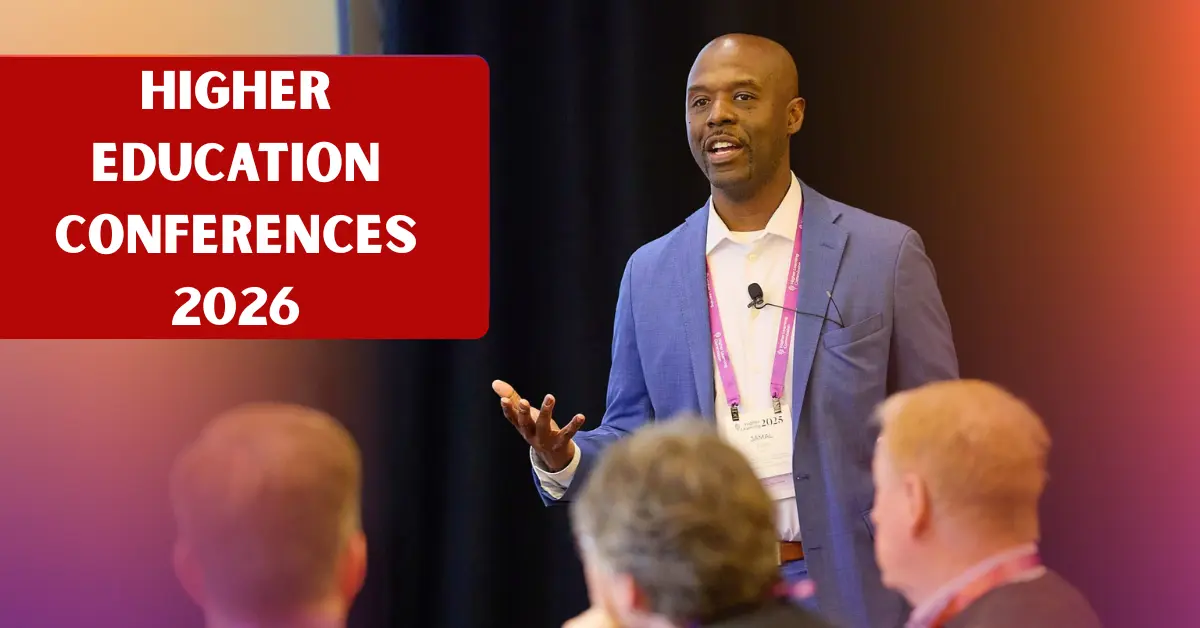
The landscape of higher education is evolving faster than ever, and 2026 is shaping up to be a pivotal year for innovation, collaboration, and transformation. With rapid advancements in artificial intelligence, shifting global education policies, and a renewed focus on cross-border academic partnerships, institutions are rethinking how knowledge is created and shared. This is exactly why higher education conferences 2026 are gaining so much attention among academics and professionals worldwide.
These conferences are no longer just networking events. They have become essential platforms where researchers, professors, students, and university administrators come together to explore emerging trends, exchange ideas, and address real-world challenges in education. Whether it is integrating AI into classrooms, improving student outcomes, or adapting to new accreditation standards, these events play a crucial role in shaping the future of learning.
If you are part of the academic community, attending or even following higher education conferences 2026 can give you valuable insights, global exposure, and opportunities to collaborate with thought leaders who are driving change in the education sector.
Why Higher Education Conferences 2026 Matter More Than Ever
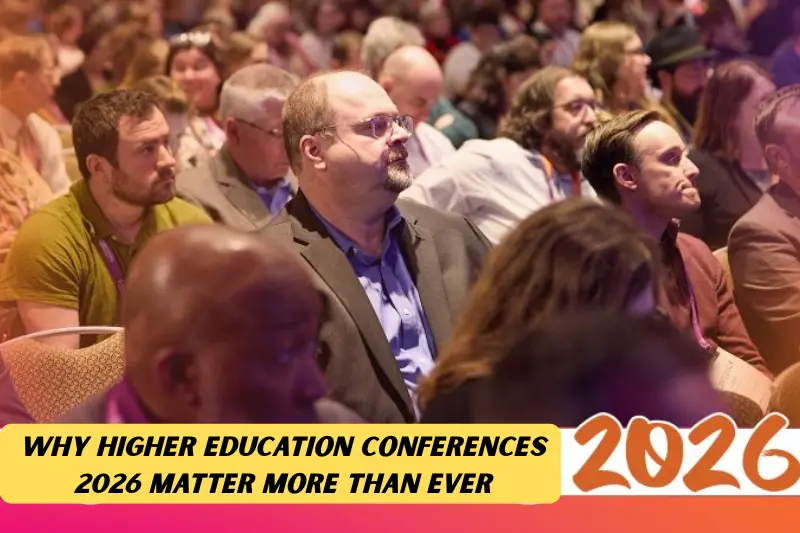
Higher education is no longer confined to classrooms and campuses. In 2026, the sector is experiencing a major shift driven by technology, globalization, and changing student expectations. This is why higher education conferences 2026 are becoming essential for anyone involved in academia.
One of the biggest reasons these conferences matter is the rapid integration of artificial intelligence in education. From personalized learning systems to automated grading and research tools, AI is transforming how institutions operate. Conferences provide a space where experts share real case studies, practical implementations, and future possibilities, helping attendees stay ahead of the curve.
Another important factor is global collaboration. Universities and research institutions are increasingly partnering across borders to solve complex challenges. Higher education conferences 2026 bring together professionals from different countries, allowing them to exchange ideas, build partnerships, and work on international research projects. This kind of exposure is especially valuable for researchers and students looking to expand their academic reach.
Policy changes are also playing a major role in shaping education systems worldwide. Governments and accreditation bodies are introducing new frameworks that impact curriculum design, funding, and quality assurance. By attending these conferences, administrators and educators can better understand these changes and adapt their strategies accordingly.
Additionally, these events offer unmatched networking opportunities. Whether you are a professor seeking collaboration, a student exploring career paths, or an administrator looking for innovative solutions, conferences connect you with the right people. These connections often lead to research partnerships, funding opportunities, and long-term professional growth.
In short, higher education conferences 2026 are not just events—they are strategic opportunities to learn, connect, and lead in a rapidly evolving academic world.
Top Trends to Watch at Higher Education Conferences 2026
As the academic world continues to evolve, higher education conferences 2026 are expected to highlight several transformative trends that are reshaping how institutions teach, research, and operate. Understanding these trends can help researchers, professors, students, and administrators stay competitive and forward-thinking in a rapidly changing environment.
Artificial Intelligence in Teaching and Learning
Artificial intelligence is no longer a future concept—it is actively redefining education. At higher education conferences 2026, a major focus will be on how AI is being used to personalize learning experiences, automate administrative tasks, and enhance research capabilities. Expect discussions around ethical AI use, data privacy, and how institutions can balance technology with human interaction in classrooms.
Hybrid and Flexible Learning Models
The demand for flexible education continues to grow. Universities are now blending online and in-person learning to create hybrid models that suit diverse student needs. Conferences will showcase successful case studies, innovative teaching methods, and tools that improve engagement in both physical and virtual classrooms.
Global Collaboration and International Partnerships
Cross-border education is expanding rapidly. Higher education conferences 2026 will emphasize the importance of international collaboration, joint research programs, and student exchange opportunities. These discussions help institutions build global networks and address worldwide challenges through shared knowledge.
Focus on Skills-Based Education
Employability is becoming a central goal in higher education. Conferences will highlight how universities are shifting toward skills-based learning, industry partnerships, and practical training. Topics like micro-credentials, lifelong learning, and workforce readiness will be widely discussed.
Data Driven Decision Making
Institutions are increasingly relying on data to improve student outcomes and operational efficiency. At higher education conferences 2026, expect insights into how analytics are being used for student retention, performance tracking, and institutional planning.
Diversity, Equity, and Inclusion
Creating inclusive learning environments remains a top priority. Conferences will explore strategies to improve access to education, support underrepresented groups, and promote equity across all levels of academia.
Best Higher Education Conferences 2026 to Attend Worldwide
Choosing the right events from the wide range of higher education conferences 2026 can significantly impact your academic and professional growth. Whether you are a researcher looking to present your work, a professor exploring new teaching strategies, or an administrator seeking institutional innovation, attending the right conferences can open doors to valuable opportunities.
Here are some of the most anticipated higher education conferences 2026 that are expected to attract global attention:
QS Higher Ed Summit 2026
The QS Higher Ed Summit is one of the most influential global gatherings in the academic world. It brings together university leaders, policymakers, and educators to discuss rankings, global partnerships, and innovation in higher education. This event is ideal for those looking to understand international education trends and build strong global networks.
NAFSA Annual Conference and Expo 2026
Organized by one of the largest associations dedicated to international education, this conference focuses on global mobility, student exchange programs, and cross-cultural collaboration. It is especially valuable for administrators and institutions aiming to expand their international presence.
EDUCAUSE Annual Conference 2026
If you are interested in the role of technology in education, this conference is a must. It covers topics such as digital transformation, cybersecurity in universities, and the integration of advanced learning technologies. It is highly relevant for IT leaders and decision-makers in higher education.
Times Higher Education World Academic Summit 2026
This prestigious event gathers top university leaders and researchers from around the world. Discussions often focus on research impact, global rankings, and the future of universities. It is a great platform for high-level academic insights and networking.
International Conference on Higher Education Research 2026
This conference is more research-focused and provides a platform for scholars to present their work, exchange ideas, and receive feedback from peers. It is particularly useful for PhD students and early-career researchers.
European Association for International Education Conference 2026
This event is known for promoting international collaboration and innovation in education. It attracts participants from across Europe and beyond, making it an excellent opportunity for building partnerships and exploring new academic initiatives.
How to Choose the Right Higher Education Conference in 2026
With so many options available, selecting the right event from the list of higher education conferences 2026 can feel overwhelming. Not every conference will match your goals, so it is important to make a strategic choice that aligns with your academic or professional needs.
The first step is to clearly define your objective. Are you looking to present research, build international connections, learn about new teaching methods, or explore policy changes? Researchers may benefit more from academically focused conferences, while administrators might prioritize events that focus on leadership, innovation, and institutional strategy.
Another key factor is the relevance of the conference theme. Higher education conferences 2026 will cover a wide range of topics such as artificial intelligence in education, digital transformation, student engagement, and global collaboration. Always review the agenda and key topics to ensure they match your interests and current work.
Location and accessibility also play an important role. Some conferences are held in major academic hubs, offering better networking opportunities and exposure. However, virtual and hybrid conferences are becoming more popular, making it easier to attend global events without the cost of travel. Choosing the right format depends on your availability, budget, and preference for in-person interaction.
Speaking opportunities are another important consideration. If you want to build authority in your field, look for conferences that allow paper submissions, panel discussions, or workshop participation. Presenting at higher education conferences 2026 can strengthen your academic profile and improve your visibility within the research community.
You should also evaluate the credibility of the conference आयोजers. Well-established organizations and globally recognized events tend to attract higher-quality participants, speakers, and networking opportunities. Checking past editions, speaker lists, and attendee reviews can help you make a more informed decision.
Finally, consider the long-term value. The best conferences are not just about a few days of learning—they offer ongoing benefits such as access to research materials, professional networks, and collaboration opportunities. Choosing wisely ensures that your investment of time and resources delivers meaningful returns.
Conclusion
As the academic world continues to transform, higher education conferences 2026 stand out as essential platforms for learning, collaboration, and innovation. From exploring the impact of artificial intelligence in education to understanding global policy shifts and building international partnerships, these conferences offer unmatched value for anyone involved in higher education.
For researchers, they provide opportunities to present work, gain feedback, and stay updated with the latest developments in their field. Professors can discover new teaching strategies and tools that enhance student engagement, while students benefit from exposure to global trends and career opportunities. Administrators, on the other hand, can gain insights into leadership, institutional growth, and data driven decision making.
The key to making the most of higher education conferences 2026 lies in choosing the right events, aligning them with your goals, and actively participating rather than just attending. These experiences can shape your professional journey, expand your network, and position you at the forefront of innovation in education.
In a time where change is constant and competition is increasing, staying informed and connected is more important than ever. Higher education conferences 2026 are not just events to attend, they are opportunities to grow, lead, and make a meaningful impact in the future of education.
